
Make your space comfortable with Johannesburg Air Conditioning
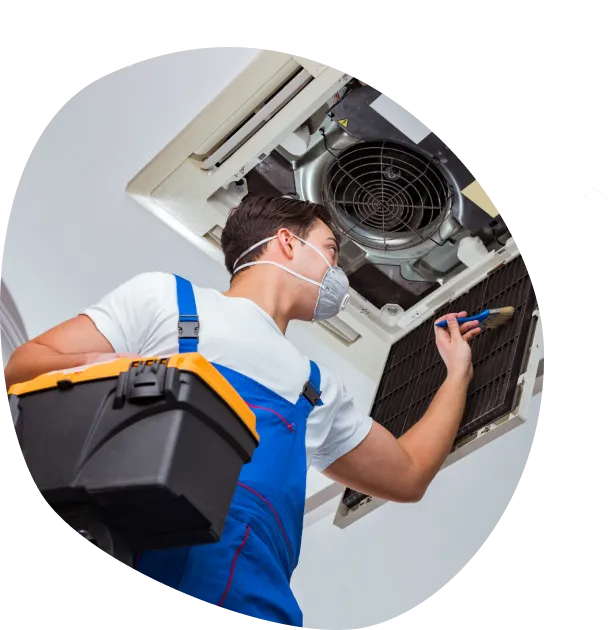
We're Your One-Stop Shop
For All Things Cool!
We've Been Keeping
Johannesburg Comfortable
For Years.
We Provide Sales, Service, And Repair For Air Conditioning Units Across Residential, Commercial,
And Industrial Spaces.
10y+
Years Business
14k+
Project Complete
24/7
Always Support
100%
Sucess Rate
Make your space comfortable with Johannesburg Air Conditioning
we're your one-stop shop for all things cool!
We've been keeping Johannesburg comfortable for years.
We provide sales, service, and repair for air conditioning units across residential, commercial, and industrial spaces.
10y+
Years Business

14k+
Project Complete
24/7
Always Support
100%
Sucess Rate
Welcome to Johannesburg
Air Conditioning!
Air conditioning systems repair and installation company

Expert installations? Check.
Our team ensures your new system runs perfectly.
Swift repairs?
Absolutely.
We get your existing system back up and running fast.
Both comfort and peace of mind?
Guaranteed.
We're dedicated to your satisfaction.
Welcome to Johannesburg Air Conditioning!
Air conditioning systems repair and installation company
Expert installations? Check.
Our team ensures your new system runs perfectly.
Swift repairs?
Absolutely.
We get your existing system back up and running fast.
Both comfort and peace of mind?
Guaranteed.
We're dedicated to your satisfaction.
Our Heating and Cooling Services
Solutions for every season,
from repairs to installations.

Heating
Stay toasty warm even on the coldest days with our expert heating solutions

Ventilation
Breathe easy with fresh, filtered air thanks to our comprehensive ventilation services.

Cooling
Beat the summer heat and stay cool all season long with our efficient cooling systems.

Maintenance
Prevent breakdowns and keep your AC system running smoothly with our reliable maintenance plans.
Our Heating and Cooling Services
Solutions for every season, from repairs to installations.
Heating
Stay toasty warm even on the coldest days with our expert heating solutions
Ventilation
Breathe easy with fresh, filtered air thanks to our comprehensive ventilation services.
Cooling
Beat the summer heat and stay cool all season long with our efficient cooling systems.
Maintenance
Prevent breakdowns and keep your HVAC system running smoothly with our reliable maintenance plans.

Get a Free
Consultation!
Find the perfect AC system
for your home!
No pressure, just expert advice.

Get a Free
Quote!
Find the perfect AC system for your home!
No pressure, just expert advice.
Why Choose us?
Choose us because we offer top-quality installation and repair services. Our skilled technicians are experts in their field, ensuring that your system is installed correctly the first time, saving you time and hassle. We pride ourselves on providing prompt and reliable repairs, so you can trust us to keep your AC running smoothly all year round. With competitive pricing and a commitment to customer satisfaction, we're the best choice for all your air conditioning needs.

No Upfront
Payments

Satisfaction
Guarantee

Emergency
Service

Fixed
Right Promise
Why choose us?
Choose us because we offer top-quality installation and repair services.
Our skilled technicians are experts in their field,
ensuring that your system is installed correctly the first time, saving you time and hassle.
We pride ourselves on providing prompt and reliable repairs,
so you can trust us to keep your AC running smoothly all year round.
With competitive pricing and a commitment to customer satisfaction,
we're the best choice for all your air conditioning needs.
No Upfront
Payments
Satisfaction
Guarantee
Emergency
Service
Fixed
Right Promise

No overtime charges, 7 days a week

No overtime charges, 7 days a week
What clients say about us

From start to finish, their service was exceptional. The team was incredibly knowledgeable and professional, guiding me through the entire process with ease. Their installation was flawless, and my new AC unit works like a dream. What truly sets them apart is their dedication to customer satisfaction. When I encountered a minor issue post-installation, they promptly sent out a technician who resolved it swiftly.

Darcel Ballentine
Barone (Pty) Ltd
I can't say enough good things about this air conditioning company! From the moment I contacted them, I was impressed by their responsiveness and professionalism. The installation process was smooth and efficient, with the technicians taking the time to ensure everything was done to perfection. I wouldn't hesitate to recommend them to anyone in need of top-notch AC services.

Leatrice Handler
Home owner
What clients
say about us
From start to finish, their service was exceptional. The team was incredibly knowledgeable and professional, guiding me through the entire process with ease. Their installation was flawless, and my new AC unit works like a dream. What truly sets them apart is their dedication to customer satisfaction. When I encountered a minor issue post-installation, they promptly sent out a technician who resolved it swiftly.
Darcel Ballentine
Barone (Pty) Ltd
I can't say enough good things about this air conditioning company! From the moment I contacted them, I was impressed by their responsiveness and professionalism. The installation process was smooth and efficient, with the technicians taking the time to ensure everything was done to perfection. I wouldn't hesitate to recommend them to anyone in need of top-notch AC services.
Leatrice Handler
Home Owner
Frequently Asked Questions
Which HVAC system is right for my home?
There's no one-size-fits-all answer to this! The ideal HVAC system depends on several factors:
Size of your home: Larger homes require more powerful systems to maintain consistent temperatures.
Climate: If you live in a hot climate, an air conditioning unit with a higher SEER (Seasonal Energy Efficiency Ratio) rating is important. Conversely, colder climates might prioritize heating features.
Budget: HVAC systems come in a variety of price ranges depending on features and efficiency.
Desired features: Do you want a smart thermostat for remote control? Air purification capabilities? Consider your priorities.
How much will a new HVAC system cost?
The cost of a new HVAC system can vary widely depending on the factors mentioned above.
Here's a breakdown to consider:
R3,000 to R14,000+: This range applies to basic room air conditioner units, depending on size (BTU) and features (inverter vs non-inverter).
R25,000 to R40,000+: This broader range applies to central air conditioning systems for houses, with variations based on capacity, chosen brand, and features like smart controls.
Above R 80,000+: This is for high-capacity industrial or commercial HVAC systems.
How can I improve the efficiency of my existing HVAC system?
Here are some ways to improve your existing system's efficiency:
Regular maintenance: Schedule annual checkups with an HVAC technician to ensure optimal performance.
Change air filters regularly: Dirty air filters restrict airflow and force your system to work harder.
Upgrade your thermostat: A programmable thermostat allows you to set different temperatures for different times of day, saving energy.
Seal air leaks: Drafts around windows and doors can make your HVAC system work harder to maintain comfort.
Consider weatherization: Proper insulation in your attic and walls can significantly improve efficiency.
What are the signs that my HVAC system needs to be replaced?
Here are some red flags that might indicate your HVAC system needs replacing:
Increasing energy bills: If your energy bills are skyrocketing, it could be a sign of an inefficient system.
Uneven heating or cooling: If some rooms are consistently hotter or colder than others, your system might be struggling.
Frequent repairs: If your system seems to need repairs constantly, it might be more cost-effective to replace it.
Age of your system: HVAC systems typically have a lifespan of 10-15 years. If yours is older, consider a replacement.
How often should I have my HVAC system serviced?
Most experts recommend having your HVAC system serviced at least once a year, preferably before the peak season for heating or cooling. This includes cleaning, inspecting, and adjusting the system to ensure optimal performance and prevent future problems.
Get a free quote
To request a quote,
please fill out the form below

Get a free quote
To request a quote, please fill out the form below
We're Your One-Stop Shop
For All Things Cool!
Social Media Links
We're Your One-Stop Shop
For All Things Cool!
Social Media Links